
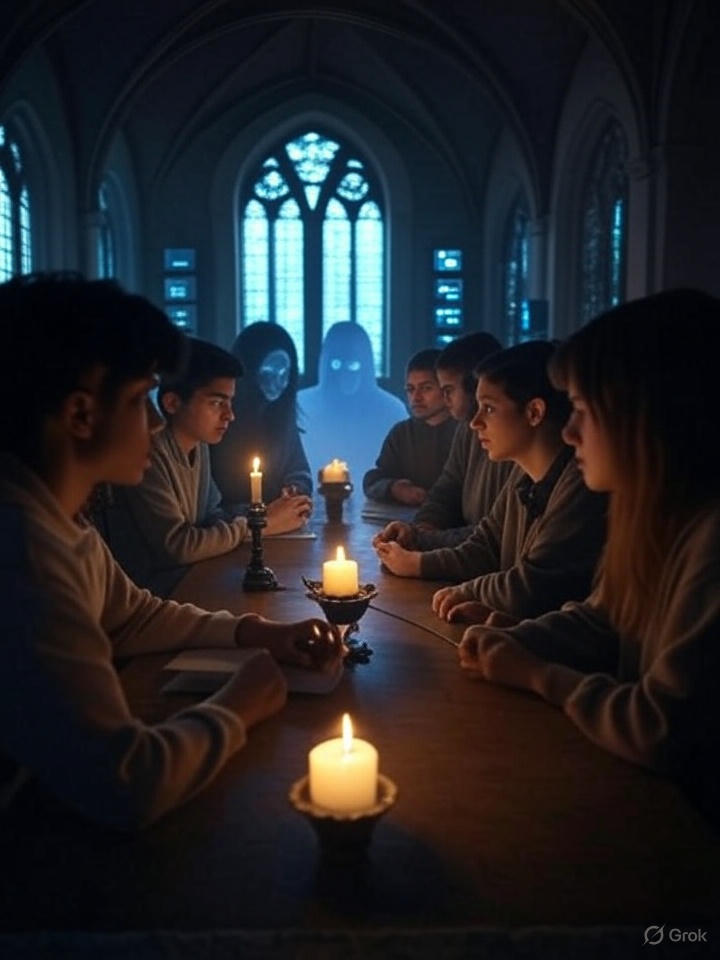

Imagine a college campus, busy with eager students, buzzing classrooms—and yet, some “students” aren’t exactly… real. Welcome to the era of “ghost students,” fake identities created by scammers to grab financial aid at California community colleges. The twist? It now takes one AI to catch another AI.
Ghost Students: The New Campus Specters
California’s community colleges are famously open to all. That’s their strength—and their Achilles’ heel. Scammers use stolen or fake info to create ghost student profiles. These phantoms apply, enroll, and then vanish—often after collecting financial aid checks. The result? Millions lost and real students squeezed out of limited spots.
A recent report found nearly 80,000 fake applicants in California alone—some colleges seeing over half their applications flagged. That’s not a small glitch; it’s a full-blown haunting.
Enter LightLeap.AI: The Digital Ghostbuster
Faced with an epidemic of fake students, colleges turned to artificial intelligence for help. N2N Services’ LightLeap.AI scans applications looking not just for false data, but for signals of real human behavior. Real students tend to share extra details without trying. Ghost students? They keep it minimal and clean.
Since deploying this AI, nearly 80,000 fake applications have been caught across 116 California colleges. It’s a high-stakes game of cat and mouse, where one AI tries to outwit another.
The Catch: Real Students Get Flagged Too
Here’s the kicker: in the rush to catch phantoms, some real students risk being treated like ghosts. Young adults with thin digital histories—no big credit card bills or work records—might be flagged as suspicious. The challenge is clear: protect honest applicants while shutting out fraud.
The Bigger Picture
This isn’t just California’s problem. Arizona, Michigan, Minnesota, and others face the same ghostly invasion. As fraud schemes grow smarter, colleges must keep upgrading their defenses. It’s a quiet war in higher education: bots versus bots, trying to keep the doors open but safe.
Final Thought
The irony couldn’t be thicker. We build AI tools that create phantom students, then build other AI tools to detect those phantoms. In the end, the real challenge might not be technology at all—but how we manage trust and opportunity in a world where the line between real and fake can be just a few lines of code.
🔗 Source
For more insights about what AI can or cannot do, check out my book “Artificial Stupelligence: The Hilarious Truth About AI”:


