

𝗪𝗲 𝗻𝗲𝗲𝗱 𝘁𝗼 𝘁𝗮𝗹𝗸 𝗮𝗯𝗼𝘂𝘁 𝘁𝗵𝗶𝘀. ⚠️ Remember when “blockchain” was the magic word that could turn a lemonade stand into a unicorn startup overnight? Then we all got a crash course in “greenwashing”—because if your product isn’t eco-friendly, at least your marketing can be. And now, just when you thought it was safe to go back in the water, here comes “𝗔𝗜 𝘄𝗮𝘀𝗵𝗶𝗻𝗴”—the latest trend in corporate spin, now with 30% more algorithmic confusion and 100% fewer actual robots.
The AI Hype Machine: Now With Real Consequences
Let’s set the stage: Last year, the SEC fined Delphia and Global Predictions a combined $400,000 for claiming their predictive algorithms were powered by AI, when in reality, their “AI” was about as sophisticated as a Magic 8 Ball with a WiFi connection. Investors were sold a shiny story, only to discover the “cutting-edge technology” was mostly smoke, mirrors, and maybe a spreadsheet or two.
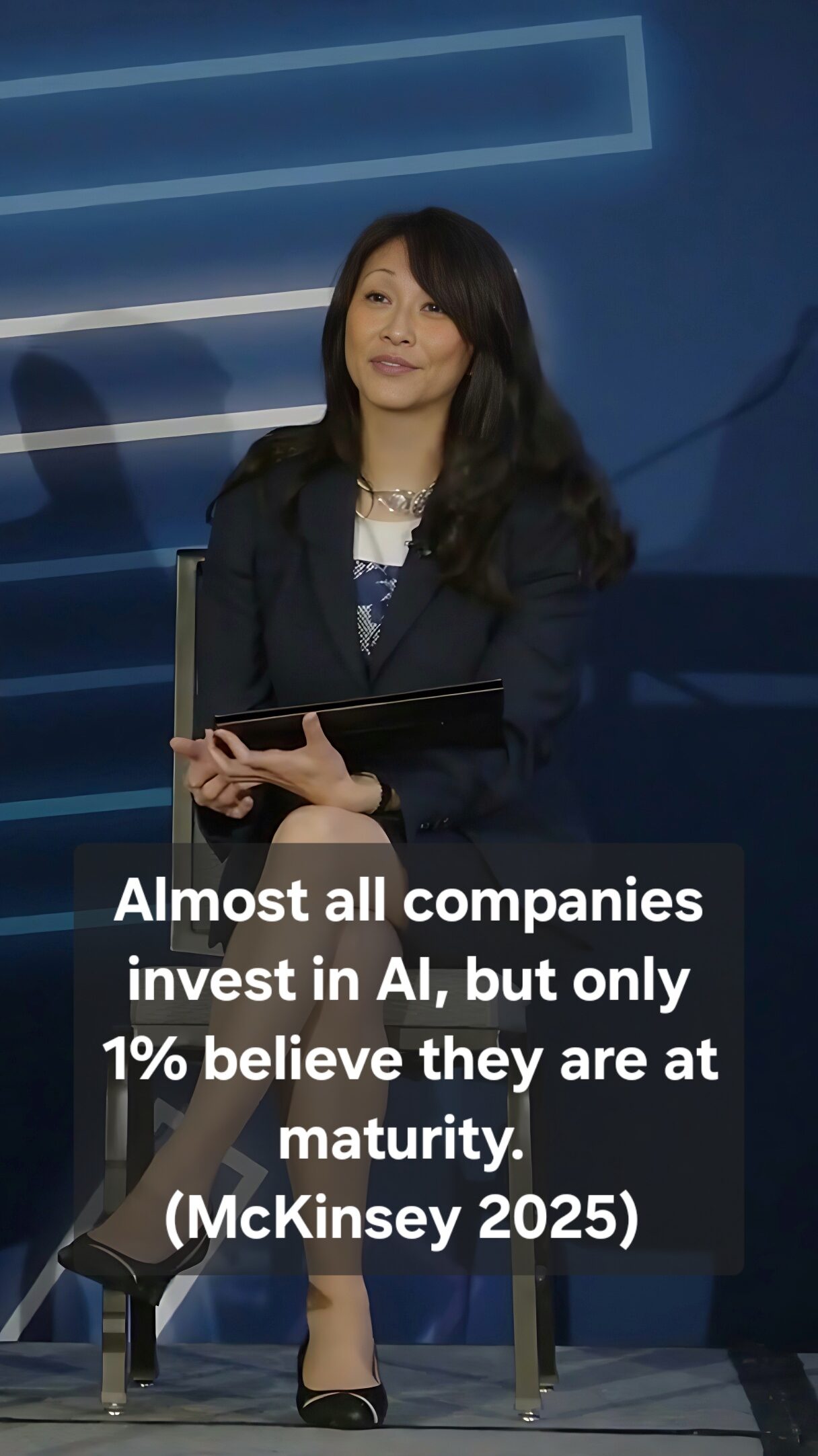
But don’t worry, it’s not just a couple of bad apples. According to the latest McKinsey Global Survey 2025, only 1% of companies consider their AI deployment to be “mature”—which, in human terms, means the other 99% are still figuring out how to turn it on without accidentally ordering 500 pizzas. Meanwhile, 42% of companies (including Klarna, who apparently decided AI was less “artificial intelligence” and more “artificial indigestion”) have abandoned AI projects after realizing that hype doesn’t pay the bills—or write code that works.
AI Washing: Now With Extra Rinse
So what exactly is AI washing? In the investment world, it’s when companies slap “AI-driven” on their pitch decks like a “gluten-free” sticker on a loaf of bread—regardless of whether there’s any actual substance behind it. The CFA Institute’s new report describes AI washing as companies, organizations, and individuals falsely or inaccurately claiming to leverage AI technologies—think machine learning, advanced data science, or that one intern who once took a Coursera course on Python.
Why do they do it? Simple: FOMO. In the high-stakes, high-gloss world of finance, nobody wants to look like they’re still using an abacus while their competitors are supposedly running quantum neural networks. But building real AI systems is hard. It takes money, talent, and time—three things most firms would rather spend on a new espresso machine for the break room. So instead, they reach for the AI buzzwords, hoping nobody notices the man behind the curtain is just Googling “what is machine learning?”.
The Jenga Tower of Trust (Now With Wobblier Blocks)
Here’s the kicker: In business, trust is our only real currency. Not Bitcoin, not Dogecoin, and certainly not “AIcoin” (patent pending). When companies overpromise and underdeliver on AI, they’re not just risking a slap on the wrist from regulators—they’re eroding the very foundation of investor confidence. And as the CFA Institute report points out, AI washing is the evil twin of explainable AI (XAI). While XAI tries to make algorithms transparent and understandable, AI washing muddies the waters until nobody knows what’s real and what’s just a fancy PowerPoint animation.
How to Spot AI Washing (Hint: If It Sounds Too Good to Be True, It Probably Is)
- Buzzword Bingo: If every other sentence includes “machine learning,” “neural networks,” and “synergy,” but there’s no explanation of how these actually improve outcomes, grab your wallet and run.
- Vague Claims: “Our investment strategy is AI-driven!” Translation: “We once used Excel’s =FORECAST() function.”
- No Evidence: Real AI systems require data, expertise, and measurable results. If you ask for details and get a TED Talk instead, you’ve found AI washing in the wild.
The Path Forward: Honesty, Please (Or At Least a Little Less Exaggeration)
AI can transform businesses. It can automate boring tasks, crunch numbers faster than a caffeine-fueled analyst, and even write blog posts that make fun of itself. But only if we’re honest about what it can—and cannot—do. Overpromising isn’t just risky; it’s destroying the very industry it claims to revolutionize.
So, next time someone pitches you an “AI-powered” investment strategy, ask for specifics. If they start sweating and mumbling about “proprietary algorithms,” you might want to check if their AI is actually just a hamster on a wheel.
Let’s keep our AI clean, our claims honest, and our Jenga towers standing—at least until the next buzzword comes along.
Sources: McKinsey Global Survey 2025, The Economist, CFA Institute
For more insights about what AI can or cannot do, check out my book “Artificial Stupelligence: The Hilarious Truth About AI”:


